
 804-773-3815




Truck Tire Blowout Accidents in Richmond
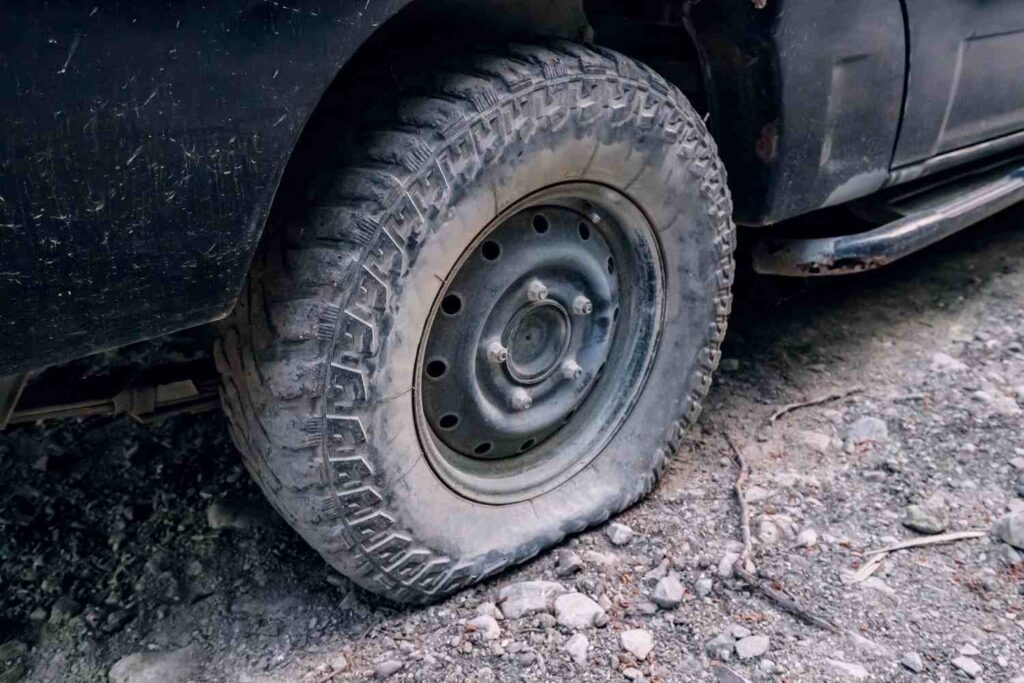
A tire blowout on a commercial truck can create an immediate emergency, particularly when the vehicle is traveling at highway speeds.
A sudden tire failure may cause a truck driver to lose control, swerve into another lane, or struggle to keep a tractor-trailer stable. Other motorists may have little opportunity to react before a serious collision occurs.
On Virginia highways such as Interstate 95, Interstate 81, and Interstate 64, where commercial trucks regularly travel alongside passenger vehicles, tire failures can have devastating consequences.
At Wind Injury Law, our attorneys represent people seriously injured in Richmond truck accidents and families who have lost loved ones in fatal collisions.
When a tire blowout contributes to a crash, determining why the tire failed is often essential to establishing responsibility.
What Causes Commercial Truck Tire Blowouts?
Commercial truck tires endure heavy loads, long highway hauls, and changing road conditions. Although some tire failures occur unexpectedly, others may stem from preventable maintenance or operational issues.
Common factors that can contribute to truck tire blowouts include:
- Improper tire inflation. Underinflated tires can generate excessive heat, while overinflation may increase vulnerability to certain types of damage.
- Worn or damaged tires. Excessive tread wear, sidewall damage, and other deterioration can increase the likelihood of failure.
- Overloaded trucks. Excessive weight adds stress to tires and may exceed their rated capacity.
- Improper installation or repairs. Incorrect mounting, unsuitable repairs, or mismatched components can compromise tire safety.
- Manufacturing defects. Problems involving tire materials, construction, or bonding may contribute to sudden failure.
- Road hazards. Debris, potholes, and other roadway conditions can damage tires or trigger an existing weakness.
Identifying the cause requires examining the failed tire, its maintenance history, and the truck’s operating conditions before the collision.
How Tire Blowouts Lead to Serious Truck Accidents
A blowout can affect a commercial truck differently depending on which tire fails, the vehicle’s speed, its cargo, and the driver’s response.
A steer-axle tire failure may make maintaining directional control particularly difficult. A drive-axle or trailer tire failure can affect stability, while separated tire tread or debris may endanger nearby vehicles.
These incidents can lead to lane-departure collisions, jackknife accidents, rollovers, and multi-vehicle crashes. Occupants of smaller passenger vehicles may suffer traumatic brain injuries, spinal cord damage, severe fractures, or other catastrophic injuries.
Federal Tire Safety and Maintenance Requirements
The Federal Motor Carrier Safety Administration (FMCSA) establishes tire condition and vehicle maintenance requirements for covered commercial trucking operations.
Federal regulations address issues such as minimum tread depth, exposed tire reinforcement, tire damage, and safe inflation. Covered motor carriers must also systematically inspect, repair, and maintain vehicles under their control.
A truck operating with unsafe tires may raise questions about whether the driver or trucking company complied with applicable safety requirements.
However, a tire failure does not automatically establish negligence. Investigators must determine whether a legally responsible party failed to meet an applicable duty and whether that failure contributed to the collision.
Who May Be Responsible for a Truck Tire Blowout?
Responsibility depends on why the tire failed and whether the failure could reasonably have been prevented.
Potentially liable parties may include:
- The trucking company, if inadequate maintenance or unsafe operating practices contributed to the failure.
- The truck driver, if required inspections were neglected or known tire problems were ignored.
- A maintenance provider, if improper servicing or repairs caused the tire to fail.
- A tire manufacturer, if a defective product contributed to the collision.
More than one party may bear responsibility, depending on the evidence and applicable Virginia law.
Preserving Evidence After a Tire Blowout Crash
Determining what caused a tire failure often requires more than reviewing a police accident report.
Important evidence may include the failed tire and wheel assembly, maintenance records, tire purchase and installation records, inspection reports, cargo weight documentation, photographs, and electronic vehicle data.
Preserving the damaged tire is particularly important. Once it has been discarded, repaired, or altered, determining whether the failure resulted from a defect, improper maintenance, or external damage may become significantly more difficult.
Virginia’s contributory negligence doctrine can further complicate truck accident claims, making careful documentation of the collision and its causes essential.
Wind Injury Law Investigates Serious Richmond Truck Accidents
A commercial truck tire blowout can leave injured motorists facing extensive medical treatment, lost income, and lasting physical limitations. Establishing accountability requires understanding not only how the collision occurred, but why the tire failed.
At Wind Injury Law, our attorneys investigate serious truck accidents throughout Richmond, Virginia, evaluate maintenance and equipment evidence, and identify potentially responsible parties.
If you or someone you love suffered serious injuries in a Richmond truck accident involving a tire blowout, contact Wind Injury Law for a free consultation. Our team can help you understand your legal options and pursue compensation for your losses.
We are Wind Injury Law, and we are here for you, Richmond.